

Coal is an important component of primary energy. China is the world's largest coal producer, accounting for 37% of global coal production. In our country, coal accounts for 76% of primary energy production and 69% of consumption. The extensive use of coal inevitably leads to a series of environmental pollution problems, and the backward technology of coal development and use restricts the sustainable development of the national economy. The development of clean coal technology has become an inevitable trend. Briquette technology is one of the clean coal technologies, and the United Nations Energy Organization promotes briquettes as an effective way to save energy and reduce pollution. In recent years, due to the increased mechanization of coal mining, the proportion of coal powder has reached 60-70%, resulting in a decline in lump coal production. However, the burning efficiency of coal powder is low, leading to serious backlogs, which is why coal powder briquetting technology has received widespread attention.
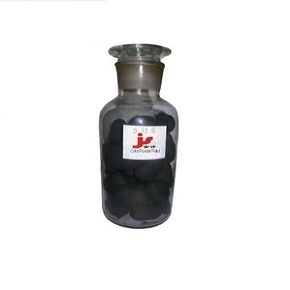
The use of briquette coal in boilers can significantly reduce coal leakage from the grate, improve combustion efficiency, and markedly decrease pollutant emissions. The binder for briquette coal is key in its production. To produce high-quality briquette coal, our company focuses on technical research and development for various coal powders. The laboratory closely collaborates with onsite operations, ultimately leading to the development of the cost-effective organic-inorganic composite JS binder for briquette coal, which has received unanimous praise from customers upon promotion and use.
1. Advantages of JS steel slag iron ball binder:
1) Low addition amount: Add in a proportion of about 2-3% to the coal powder; 1 ton of binder can produce 30-50 tons of finished pellets.
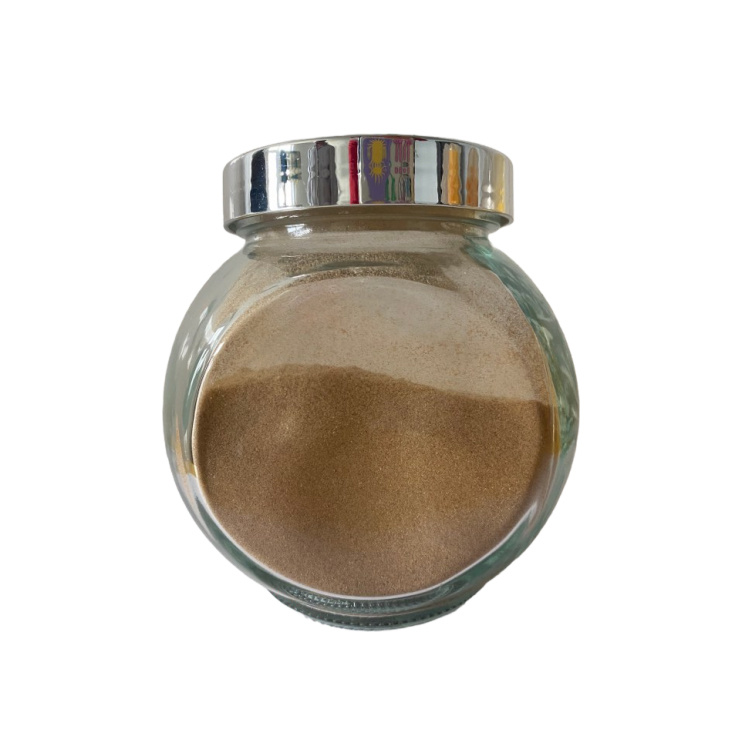
2) Convenient to use: This binder is in powdered form and can be directly added to the coal powder. Add water and stir evenly to form pellets.
3) Excellent performance: One-time molding, does not increase ash content, molding rate can reach over 90%. Wet pellets can drop from a height of 1.5 meters without scattering, and can be naturally dried or dried in a dryer, achieving a strength of about 800N after drying.
2. Usage method:
1) Uniformly add dry powder binder into the materials according to the specified ratio; different material particle sizes and surface areas will require different amounts of binder.
2) Moisten the materials; spray an appropriate amount of water depending on the moisture content. Control the humidity carefully. If the materials are too wet, they may stick to the mold and reduce pellet formation rate.
3) Use a roller mixer for even blending, then convey it via belts to the briquetting machine to press the pellets.
3. Example of application on site:


4. Our advantages:
1) Equipped with a professional laboratory that can formulate the most cost-effective products for different materials.
2) Prior to product sale, technical service personnel may conduct on-site experiments when necessary.
3) Quality after-sales service, with professional technicians dispatched for on-site guidance after product sale.
Keywords
Download
JS type coal ball binder
Contact Us
Classification
E-mail:admin@beitechemical.com
WhatsApp:+86 18731531256
Address:Lulong Chemical Industry Development Zone, Qinhuangdao,China


Subscribe to our information
Please leave your contact information and we will get back to you as soon as possible